
.webp?locale=en)
.webp?locale=en)
.webp?locale=en)
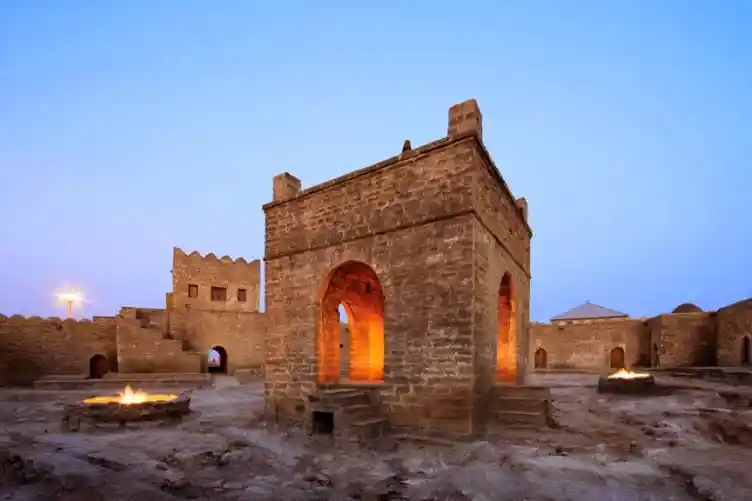
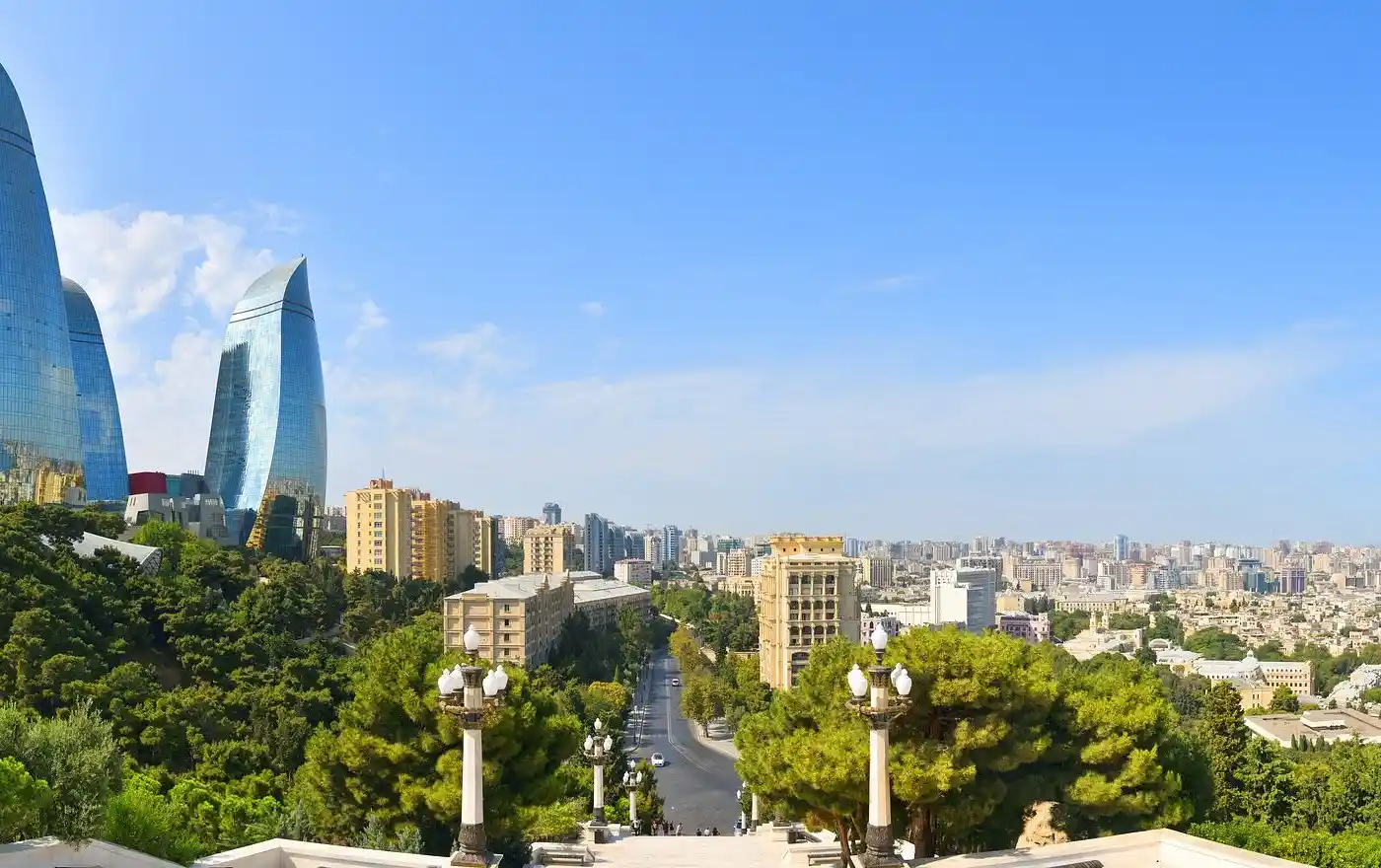
The Fire Temple is located in the city of Baku and is one of the most prominent historical landmarks with a distinctive spiritual and cultural character in Azerbaijan.
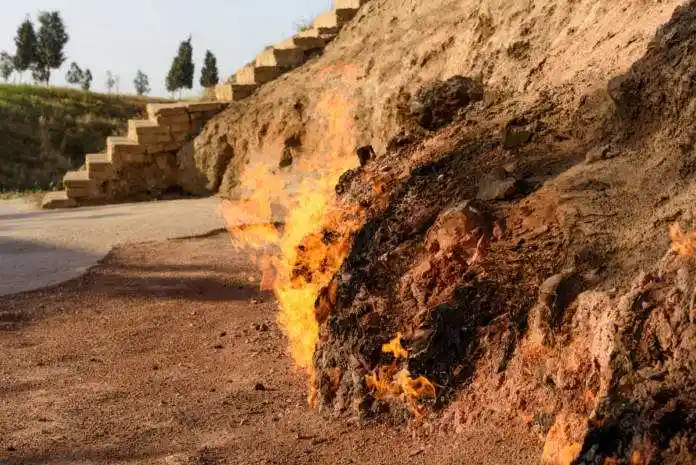
Originally, this temple was a place of sacrifice. It was built above a natural gas vent, which made it a sacred location for fire-based rituals. Fire was believed to possess special spiritual powers, giving the temple deep symbolic importance.
History of the Fire Temple
Fire rituals at the many natural gas vents across the Absheron Peninsula date back to at least the 10th century.
These ancient traditions show the strong connection people had with fire, which they regarded as a sacred symbol.
The current structure of the temple was built during the 17th and 18th centuries, making it a witness to a long historical period shaped by multiple cultural and religious influences.
Architectural Design of the Fire Temple
The Fire Temple is known for its unique architectural design. It consists of pentagonal walls surrounding an open courtyard.
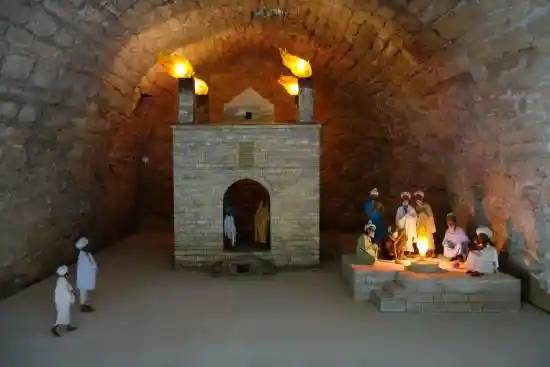
In the center of this courtyard stands a prominent altar, which serves as the cornerstone of the temple complex.
This altar was the main place where fire rituals were performed. These rituals included lighting flames as a form of spiritual communication and as an expression of respect for the power of nature.
The temple is a remarkable example of traditional architecture that incorporates natural elements. Its design reflects a deep understanding of nature and a desire to perform rituals in harmony with the surrounding environment.
Visiting the Fire Temple in Baku
Visiting the Fire Temple gives travelers the opportunity to discover the unique culture and history of Azerbaijan.
It also allows visitors to explore the deep relationship between the people of the region and fire as a sacred element.
This landmark does not only reflect Azerbaijan’s architectural history. It also offers a glimpse into the religious rituals and traditions passed down through generations over the centuries.
.webp?locale=en)
.webp?locale=en)
.webp?locale=en)
.webp?locale=en)
.webp?locale=en)